
Explore the requirements, eligibility criteria, documentation checklist, and post-license compliance obligations for obtaining a VASP license in Costa Rica
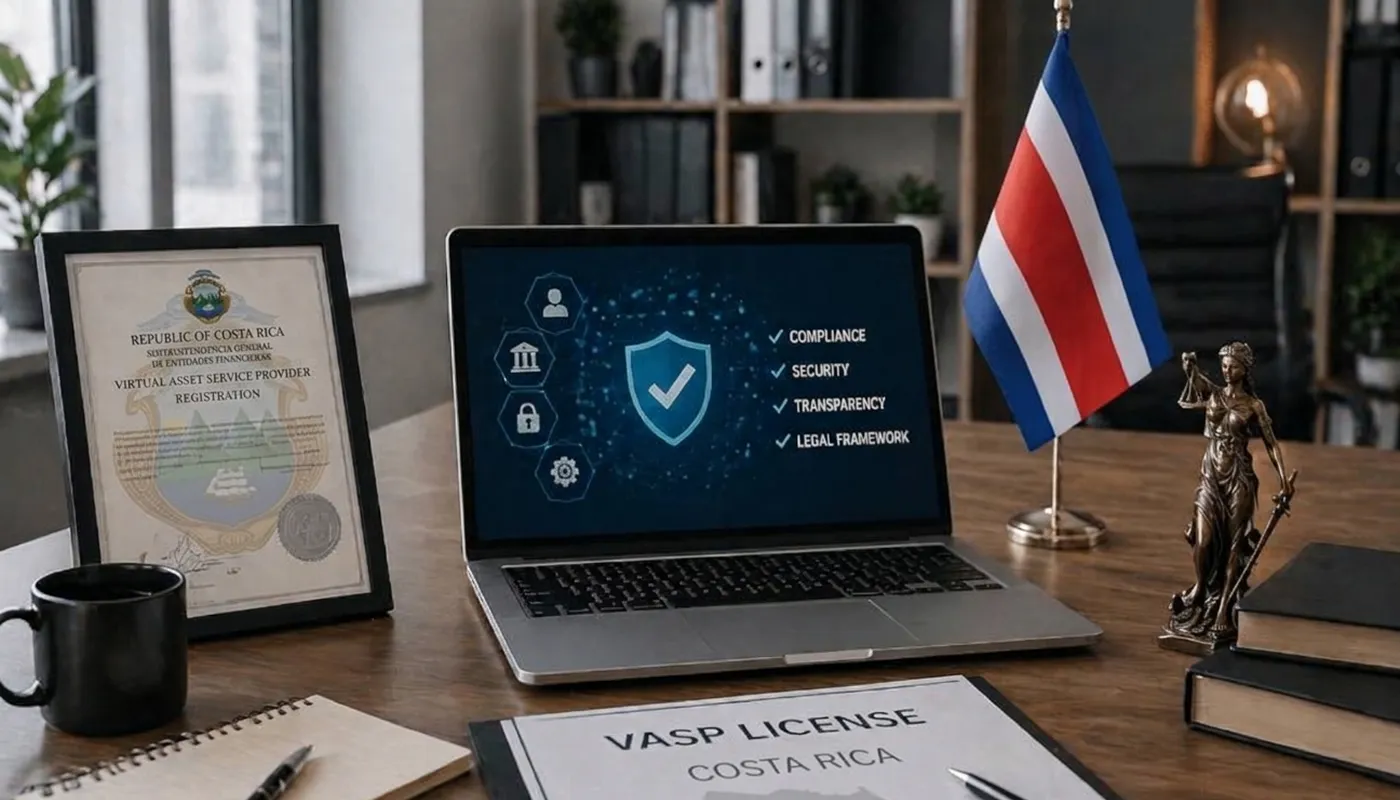
🏛️ Costa Rica VASP license requirements and application process explained
To establish a compliant operation in this jurisdiction, it is imperative to prepare all requisite documentation before initiating the submission process. Key documents often include a detailed business plan, proof of financial stability, and a comprehensive anti-money laundering strategy. Ensure that all materials are meticulously organized and align with the regulatory framework set forth by the authorities.
Understanding the evaluation criteria is critical for a successful application.
The regulatory body scrutinizes the applicant's management structure, operational protocols, and technology infrastructure. It is advisable to conduct a thorough risk assessment and present a clear overview of the business model, highlighting the mechanisms in place to safeguard against illicit activities.
Engaging with local legal experts can provide invaluable assistance in interpreting specific laws and regulations. They can guide applicants through each stage, ensuring adherence to all local stipulations and helping to mitigate potential pitfalls. Moreover, being well-prepared for any potential audits or inquiries can facilitate a smoother approval experience.
✅ Eligibility criteria for obtaining a VASP license in Costa Rica

To qualify for a virtual asset service provider authorization in this jurisdiction, entities must demonstrate they possess a robust organizational structure. This entails having a clear hierarchy with designated roles and responsibilities for key personnel, ensuring accountability and compliance with local regulations.
Capital requirements are a significant factor. Applicants must show a minimum capital reserve that reflects their operational scale. This reserve should be readily available in liquid assets to cover potential liabilities and demonstrate financial stability.
- Legal compliance: Entities must provide documentation verifying their adherence to local laws.
- Business activity clarity: A comprehensive business plan outlining the virtual asset activities to be undertaken under the Costa Rica VASP license is required.
- Risk management framework: A detailed strategy addressing potential risks associated with virtual asset transactions should be in place.
Background checks on key stakeholders are mandatory. Individuals in charge, including owners and directors, need to submit their personal and professional histories. Thorough vetting processes are designed to assess the integrity and reliability of these individuals.
Anti-money laundering and counter-terrorism financing protocols must be strictly followed. Applicants need to certify they maintain robust systems to detect and prevent illicit financial activities, including red flags and compliance training for employees.
📁 Necessary documentation for VASP license application

Gather a detailed business plan outlining your operational model, including services offered and market analysis. This plan should reflect a thorough understanding of the industry and forecasted financial projections to demonstrate viability and potential for success.
🪪 Identity verification and background checks
Prepare documents for all key personnel, such as government-issued identification and resumes. Background checks are mandatory; this includes criminal history and financial stability assessments. Ensure that all information is accurate, as discrepancies can lead to delays.
Compile proof of registered business entity, such as articles of incorporation and tax identification number. This documentation must confirm that your entity is legally recognized and compliant with local regulations.
🛡️ Compliance and risk management policies
Draft compliance and risk management frameworks that outline your procedures for anti-money laundering and customer due diligence. These documents should demonstrate awareness of regulatory obligations and methods for monitoring and reporting suspicious activities.
Lastly, include financial statements and audits from the previous years if applicable. Transparency in financial health can facilitate a smoother review process and instill confidence in your operational stability.
🚀 Step-by-step application process for VASP license
Compile required documentation meticulously. The specific paperwork typically includes proof of identity, company registration, operational plans, compliance frameworks, and financial records. Pay close attention to detail, as incomplete submissions may lead to delays or rejections.
📋 Documentation checklist
| Document | Description | Notes |
|---|---|---|
| Identity verification | Official IDs of key stakeholders | Ensure all documents are current |
| Company registration | Legal incorporation documents | Must be stamped and signed |
| Operational plans | Describe business model and services | Include risk assessment |
| Compliance framework | Outline adherence to regulations | Detail internal policies |
| Financial records | Recent financial statements | Provide audited versions if available |
Submit the application accompanied by a formal cover letter. This letter should clearly state the intention to obtain the approval and summarize your business objectives. Highlight your commitment to regulatory compliance and operational transparency.
Await feedback from the regulatory authority. This phase can take several weeks to months depending on the volume of applications. It's advisable to track the application status and be ready to address any inquiries or provide additional information promptly.
🤝 Post-submission actions
Prepare for potential interviews or discussions with regulatory representatives. Being well-versed in your business plan and compliance strategies will facilitate a smooth communication process during this stage. Rehearse answers to common questions regarding risk management, customer engagement, and operational integrity.
Once approved, implement any feedback provided during the application review, and ensure compliance monitoring systems are established. Continuous adherence to regulations is critical to operational longevity and reputation within the sector.
⚖️ Post-license compliance obligations for VASP operators

Compliance with regulatory frameworks is a continuous responsibility. Entities granted permissions must adhere to reporting and monitoring regulations regularly, ensuring all transactions are documented and traceable. This practice not only fulfills legal obligations but also enhances credibility among customers and partners.
Establishing robust anti-money laundering (AML) protocols is critical. Operators should implement risk assessment strategies to identify and mitigate potential financial crimes. Regular training for staff is advisable to keep them informed about the latest compliance measures and regulations.
Data privacy is paramount. Operators are required to safeguard customer data and adhere to applicable privacy laws. Implementing strong cybersecurity measures will protect sensitive information from breaches and unauthorized access, ensuring the integrity of the business.
Customer due diligence (CDD) processes must be thorough. Operators should verify the identity of clients and assess their risk profile before engaging in transactions. Ongoing monitoring of existing customer relationships is necessary to identify any changes in risk factors.
Filing accurate and timely reports to regulatory authorities is mandatory. This includes transaction reports and any suspicious activity reports (SARS).
Penalties for non-compliance can be significant, affecting the operational capacity and reputation of the business.
Operators should cultivate a compliance culture within the organization. Regular audits and reviews of internal policies will help maintain adherence to legal standards. Engaging external auditors can provide an unbiased perspective on compliance effectiveness.
Collaboration with law enforcement and regulatory bodies is recommended. Establishing communication channels can facilitate faster responses to inquiries and help operators stay informed about changes in regulations, thus ensuring uninterrupted operations.
Finally, operators should remain vigilant regarding changes in laws or regulations. Keeping abreast of emerging compliance obligations will allow timely adjustments to internal policies and practices, further mitigating risks associated with non-compliance.
Diferencias entre trabajador funcionario y autónomo
A la hora de elegir un empleo, muchos se preguntan sobre lo más conveniente: si el empleo público o ser autónomo


